A workflow crosses borders.
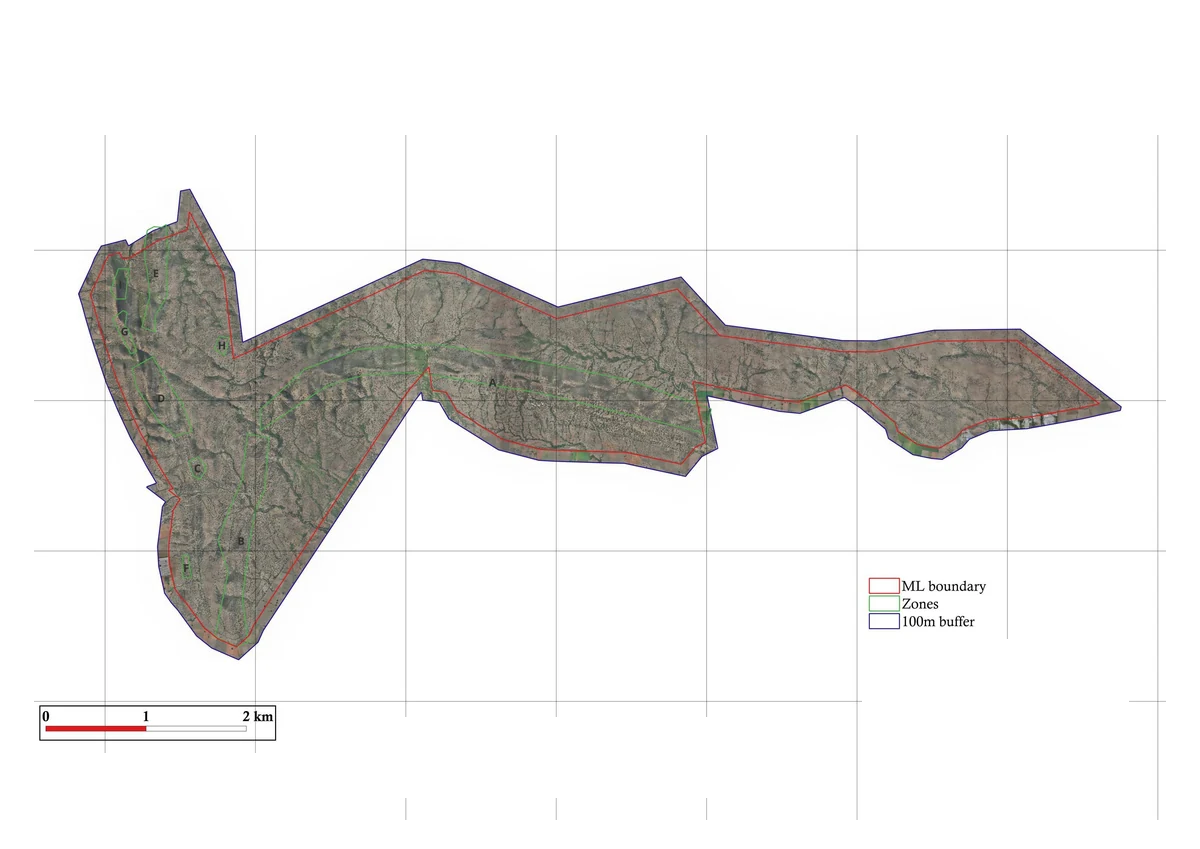
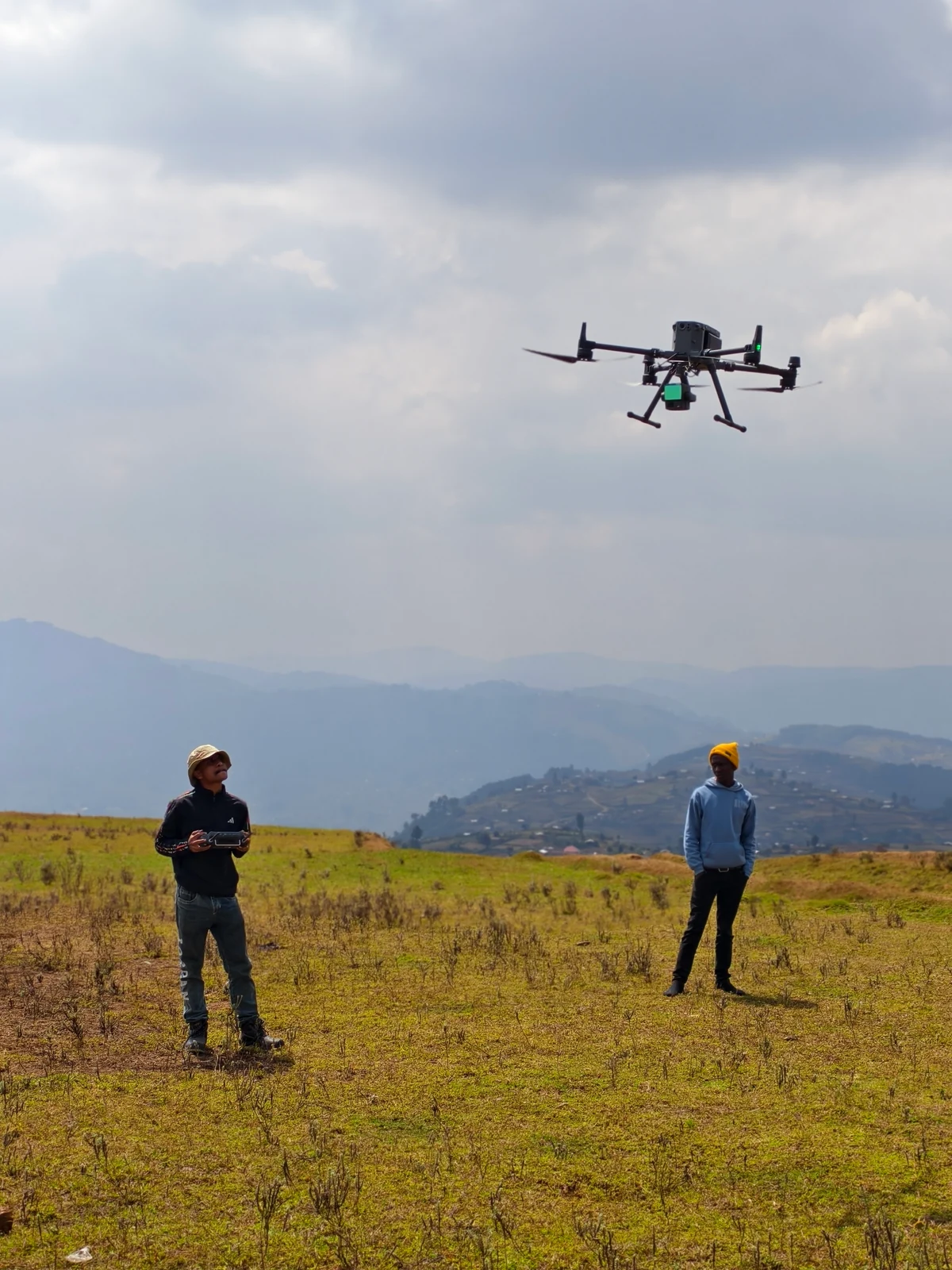
During a campaign near Karamoja, Uganda, a line-to-line mismatch sent the team back through its processing assumptions. A workflow carried over from an Indian campaign needed to be checked against the new location. The useful lesson was to examine the whole chain, from field observations to the inputs used during processing.
A mismatch does not identify its own cause. Sensor checks, timing, positioning, heading effects, temporal variation and reference-field settings all deserve review. Keep the original observations available so each processing change can be compared with the same field record.
Check the reference-field assumptions.
The International Geomagnetic Reference Field (IGRF) describes the Earth’s main magnetic field. Its evaluation depends on location, elevation and date. It is not a substitute for local field observations or a complete representation of shorter-scale magnetic variation.
When a campaign moves region, check the coordinate reference system, height conventions, time stamps and reference-field model used. A cached value or configuration from another block should not be accepted merely because the processing script runs.
Make the correction traceable.
Document the reference model and version, evaluate it consistently at the required acquisition positions and dates, and inspect the resulting line and tie-line behaviour. Test changes against the raw observations and the measurement programme’s quality criteria. A correction that reduces one residual can still be wrong if its inputs or units are wrong.
IGRF and CHAOS are distinct modelling approaches; naming one as the other obscures what was applied. The processing record should identify the actual model and calculation, rather than use “IGRF” as a generic label for every geomagnetic correction.
Keep the review reproducible.
Reprocessing costs time, but a reproducible record makes the investigation more efficient. Retain the original input files, configuration, software versions and comparison plots. Explain a deliverable change to the client in terms of what changed, why it changed and which checks support the revised result.
Carry the context forward.
A successful workflow carries its assumptions with it. Before reusing it, ask which assumptions depend on the site, date, sensor, flight geometry and intended interpretation. Review those boundary conditions at mobilisation and again before release.
This is a quality-control principle, not a universal latitude rule or a promise that one correction will solve every line mismatch.
Technical references
Primary references for the method and its limitations.
From understanding to action
Bring the question to your site.
Tell us what you need to measure, understand or review. We can help define the next step.